China is now back on track to finance the final leg of the long-stalled Kenya Standard Gauge Railway (SGR) to Malaba, on the border with Uganda. However, this isn’t the typical state-backed financing model associated with Chinese infrastructure projects. Instead, Beijing has introduced a new hybrid funding approach.
Under this arrangement, the Kenyan government is expected to contribute up to 30% of the project cost. Another 40% will come from a joint commercial venture involving Chinese infrastructure financiers and Kenyan banks. The remaining 30% will be topped up by the Chinese government.
This new funding formula reflects a shift in China’s Belt and Road Initiative (BRI) strategy—away from full sovereign lending and toward shared financial responsibility and risk. It also underscores the evolving nature of China-Africa cooperation in major infrastructure projects.
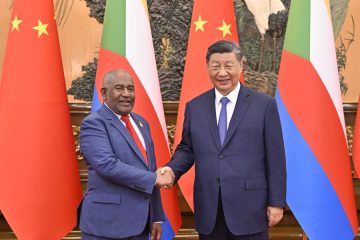
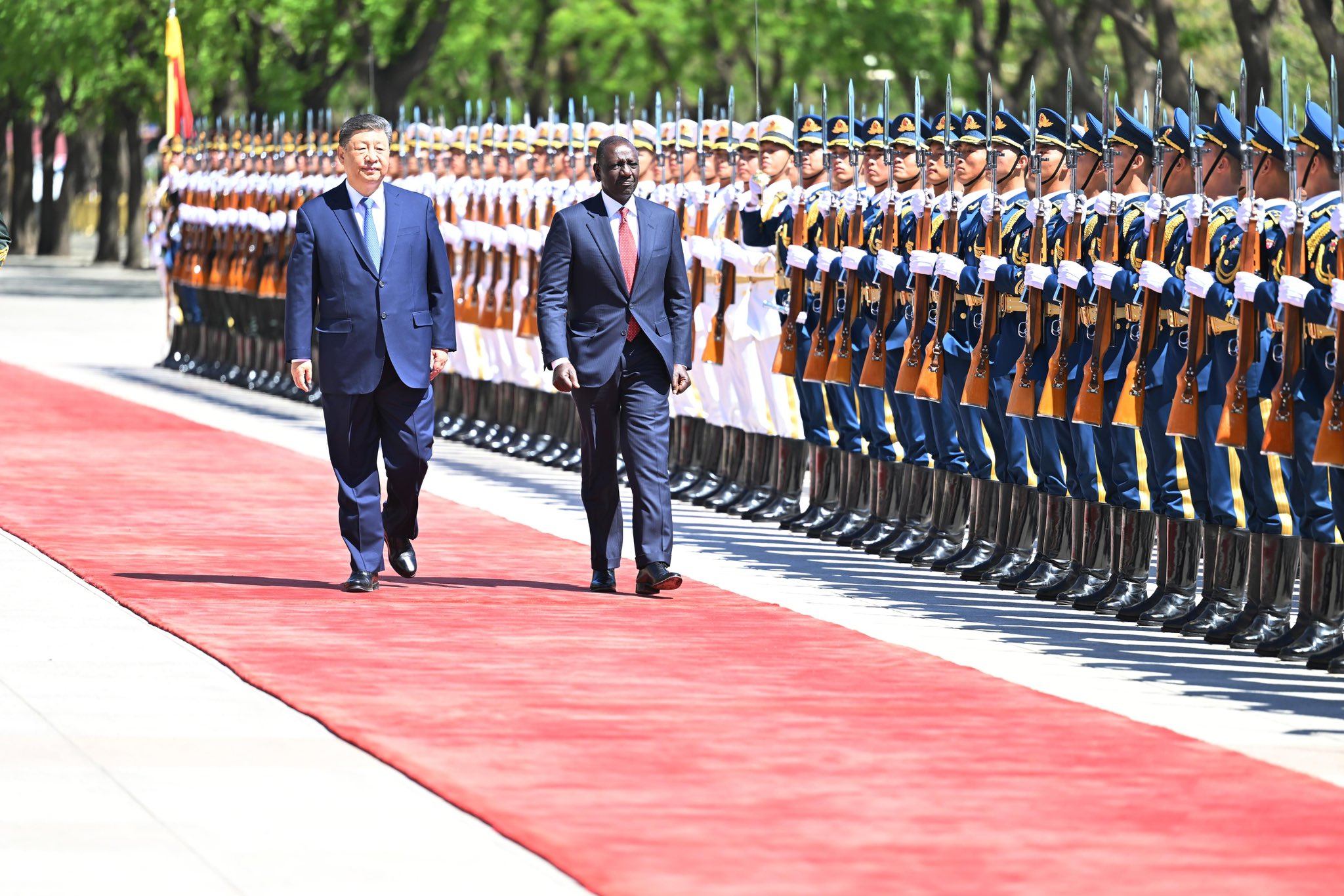
President William Ruto’s recent working visit to China marked a significant diplomatic moment. He was the first African head of state to visit Beijing since the last Forum on China-Africa Cooperation (FOCAC) held in September last year. During the visit, the Kenyan delegation toured several key sites, including Peking University and various Belt and Road Initiative infrastructure hubs.
What do you think about China’s evolving financing model under the BRI? Does the renewed commitment to Kenya’s SGR offer fresh hope for Uganda, for example, regional integration and economic growth in East Africa and the Great Lakes region?